Why Is Wombat Poop Cube-Shaped? The Only Animal That Does It
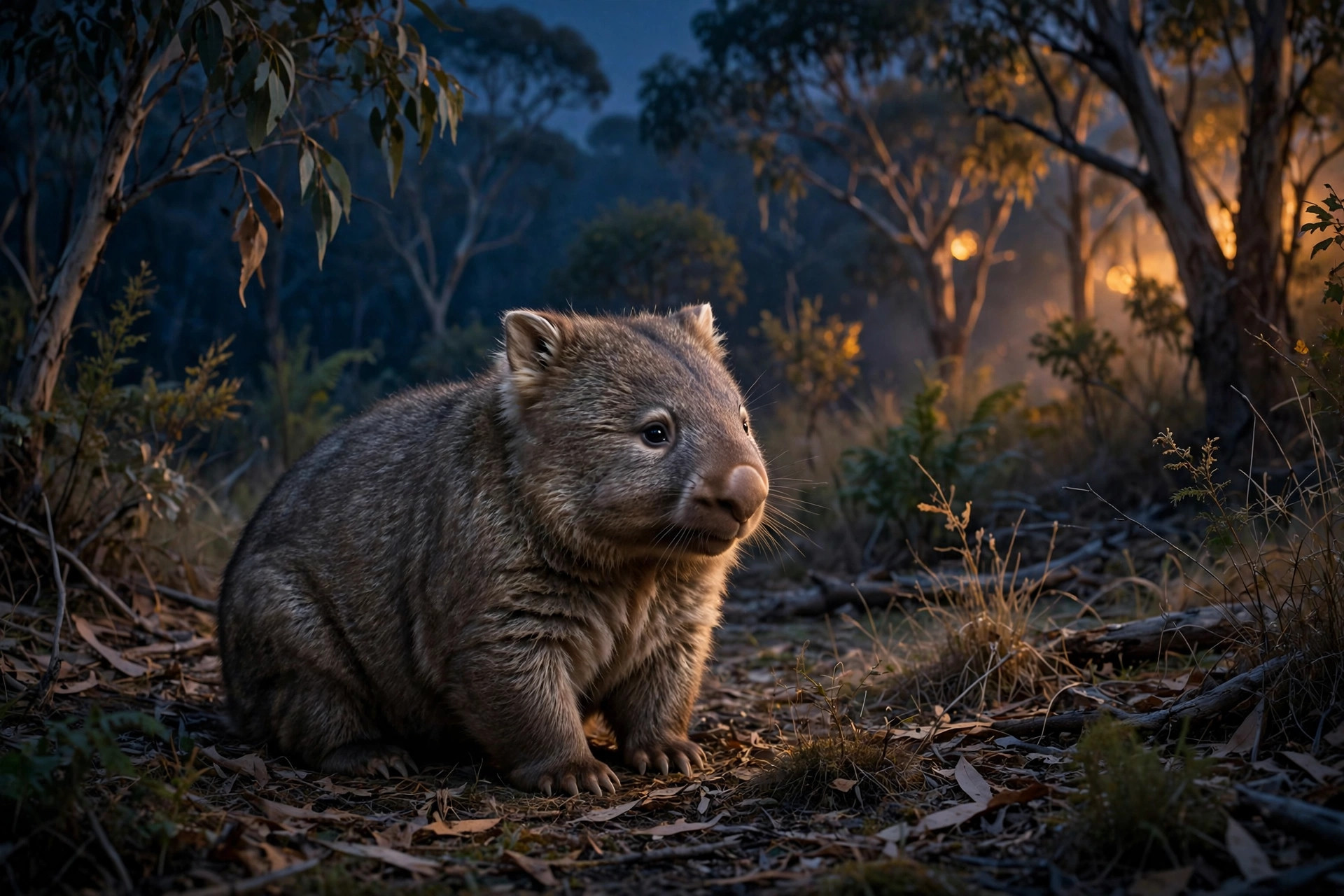
If you ever go hiking in Australia and spot small, dice-like cubes on the ground, you have found wombat territory. The wombat is the only animal on Earth known to produce cube-shaped droppings, a biological oddity so strange it earned its researchers an Ig Nobel Prize.
How does a wombat make cubes?
For years, the square poop was a genuine mystery. Then a team at the Georgia Institute of Technology investigated, publishing their findings in the journal Soft Matter in 2021. Using dissections and mathematical modelling, they found the answer in the wombat's intestines.
The wombat's gut has regions of alternating stiff and stretchy tissue. As digested food moves through, the stretchy sections expand while the stiff sections hold firm, gradually moulding the waste into cubes. It is the only known example of this happening naturally — the researchers even tested it by inflating pig intestines to confirm the physics.
Why cubes? They don't roll away
Wombats are nocturnal, burrowing marsupials with famously poor eyesight. They mark their territory with scent, and a single wombat can deposit up to 100 droppings in one night. Round pellets would roll off rocks and logs, scattering the scent message. Cubes stay put, stacking neatly where the wombat leaves them — nature's own building blocks.
The Ig Nobel connection
The Ig Nobel Prizes honour research that first makes people laugh, then makes them think. The wombat cube study is a perfect winner: it sounds like a joke, but it revealed genuinely new physics about how soft tissues shape materials — with potential applications in manufacturing and soft robotics.
So the next time someone tells you nature is boring, remind them: somewhere in Australia, a marsupial is stacking tiny cubes in the dark, and scientists needed advanced physics to explain it.
More mind-blowing facts
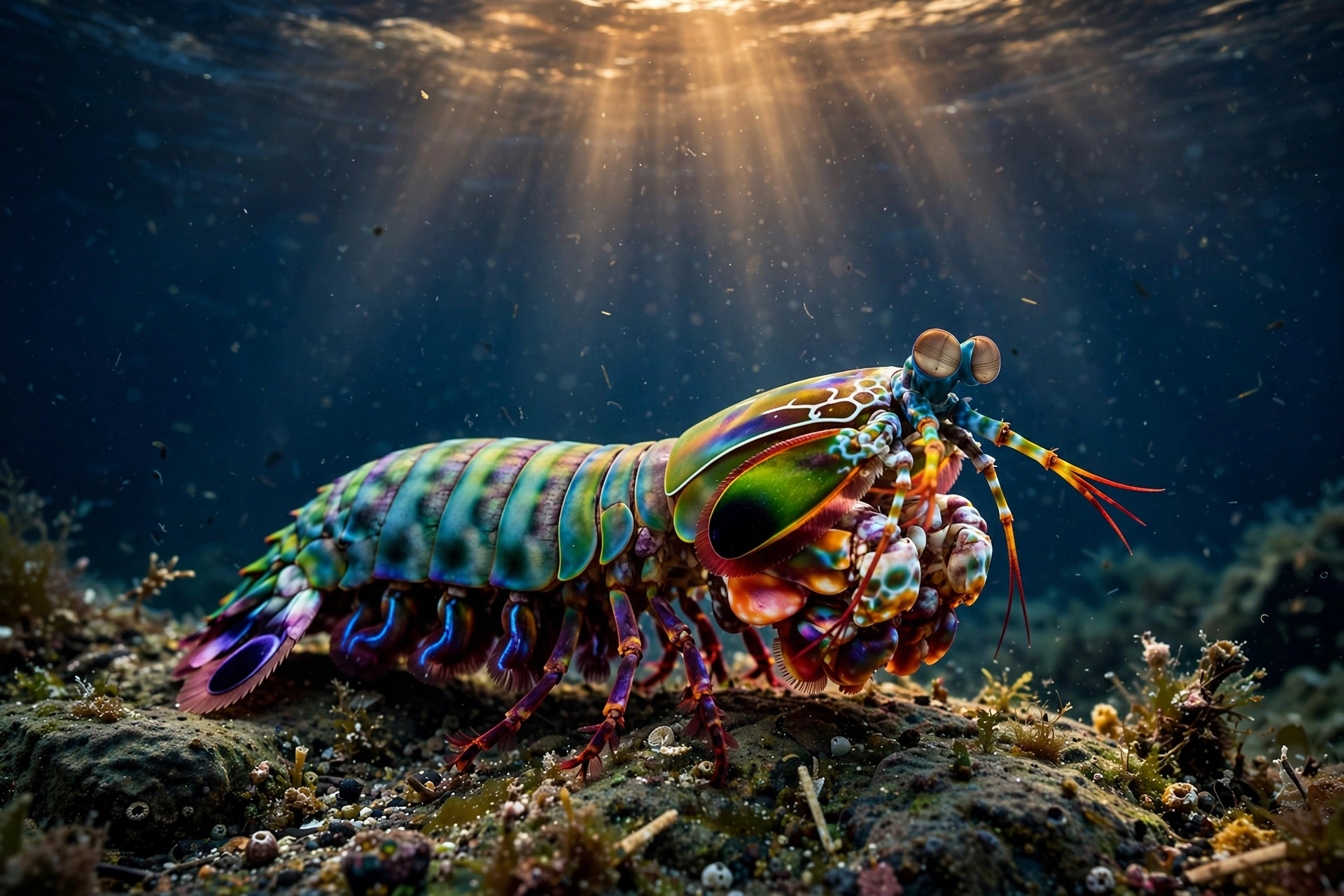
Mantis Shrimp Vision: The Animal That Sees 16 Colour Channels
Mantis shrimp perceive up to 16 colour channels to our 3 — plus ultraviolet and polarised light. The most complex vision system known.
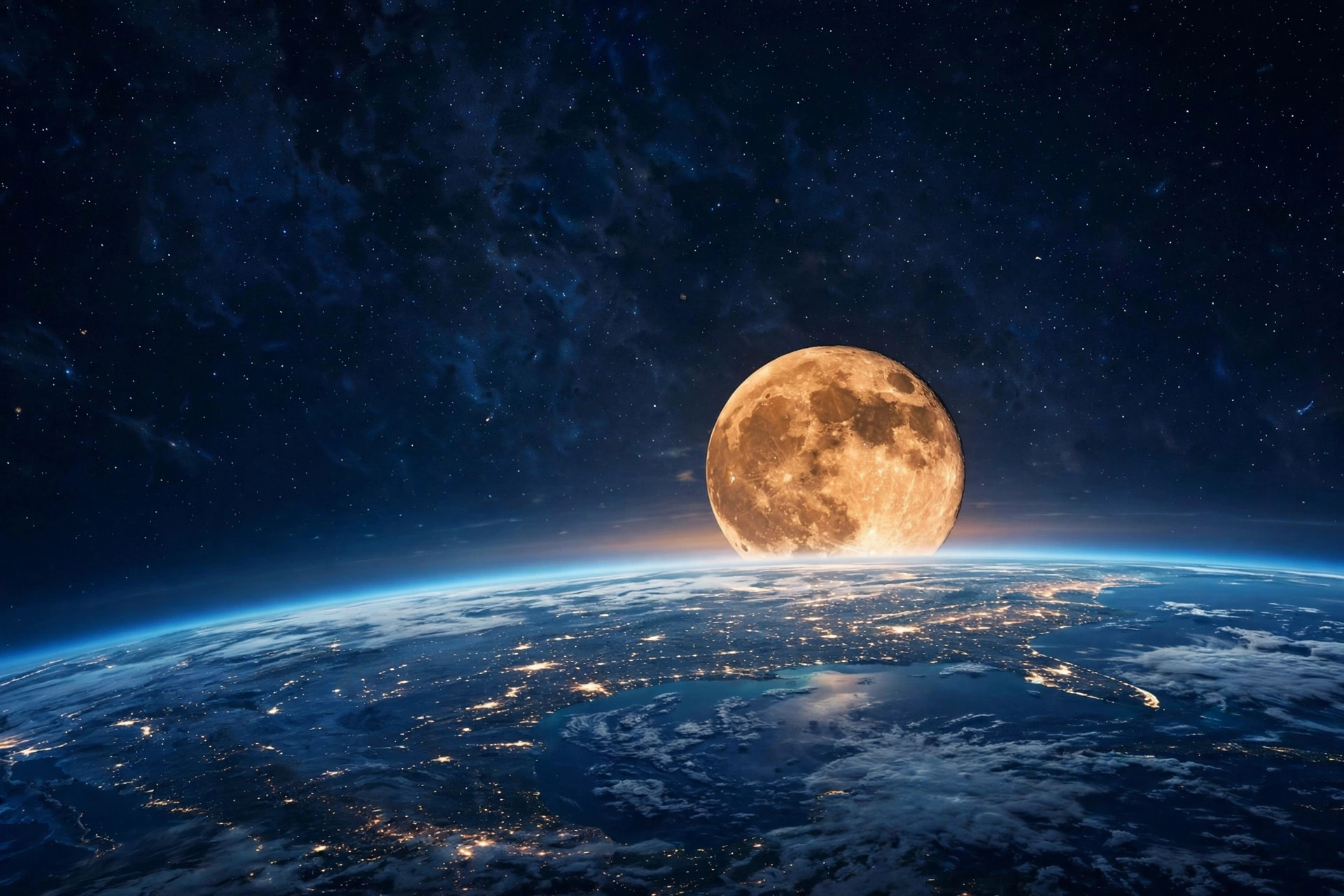
Is the Moon Drifting Away from Earth? Yes — 3.8 cm Every Year
The Moon drifts about 3.8 centimetres further from Earth every year. Apollo-era mirrors let scientists measure it to the millimetre.

Oxford University Is Older Than the Aztec Empire
Teaching at Oxford began by 1096. The Aztec capital wasn't founded until 1325 — Oxford is older than the Aztec Empire by centuries.